







The European project BRILIAN, funded by the Circular Bio-Based Europe (CBE JU) initiative under Horizon Europe and coordinated by the CIRCE Technology Centre, has officially launched its Spanish pilot in Vitoria-Gasteiz. This initiative aims to demonstrate how the circular bioeconomy can become a driving force for sustainable development and the creation of new industrial opportunities in rural areas, placing primary producers at the heart of the transition.
A European Challenge with Rural Impact
Currently, rural areas account for approximately 80% of Europe’s territory and are home to 30% of its population (137 million people). However, these areas continue to face structural challenges related to depopulation, low economic diversification, and dependency on traditional sectors.
BRILIAN was created with the goal of transforming these challenges into opportunities, promoting sustainable cooperative business models that allow agroindustries and farmers to diversify their income through the valorization of agri-food by-products and waste. The project will validate 10 bio-based value chains in total across Spain, Italy, and Denmark, focusing on local raw materials such as potato, cardoon, sunflower, and rapeseed, with applications in high-value sectors such as bioplastics, biolubricants, bioadhesives, animal feed, and biofertilizers.
With a budget exceeding 6 million euros, BRILIAN involves 13 partners from 6 countries, including companies, technology centers, clusters, and associations.
The Spanish Pilot: From Potato Waste to Bioplastics
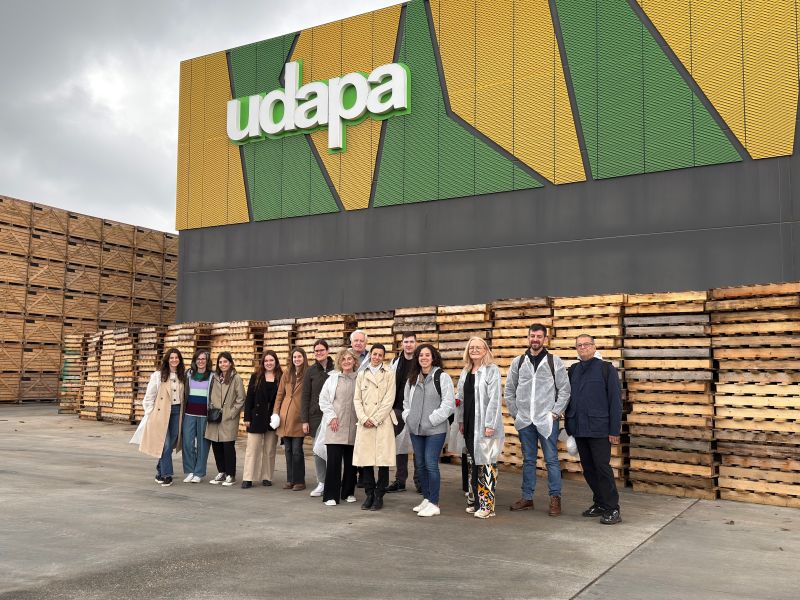
In the case of Spain, the pilot is being developed at the facilities of the agri-food cooperative Paturpat / Udapa, located in Vitoria-Gasteiz, with the participation of the Aragonese company Tecnopacking, an expert in sustainable packaging, and the technology center AITIIP, specializing in plastic transformation. All three entities are also part of the Food Cluster of the Ebro Valley, FOOD+i, which is also a partner of the BRILIAN project.
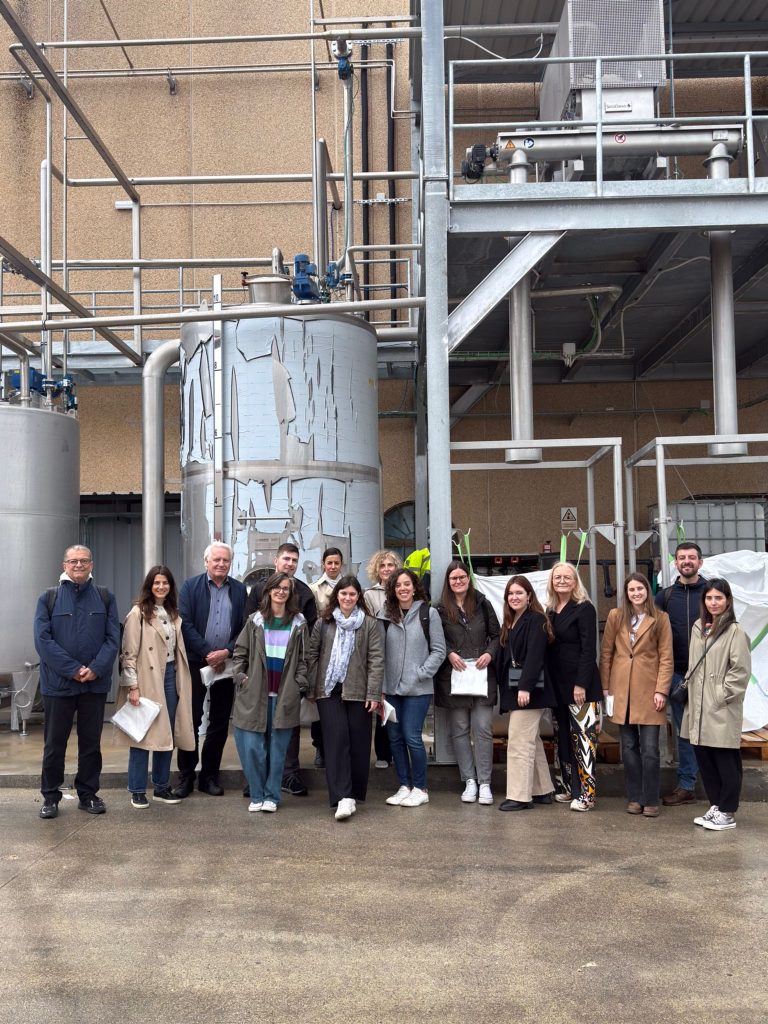
The core of the pilot is the construction and commissioning of a pilot plant for starch extraction from potato by-products, enabling the production of starch that can be transformed into biodegradable thermoplastic (TPS). This material is then used in the development of biodegradable films for flexible packaging and biodegradable agricultural mulch, thus helping to replace conventional plastic materials with circular and locally sourced solutions.
“This pilot allows us to take a further step in our commitment to comprehensive sustainability, closing the potato loop and demonstrating that innovative and competitive solutions can be generated in rural areas for sectors like packaging and agriculture,” explains Ana Carrasco, Head of New Product Development at Paturpat / Udapa.
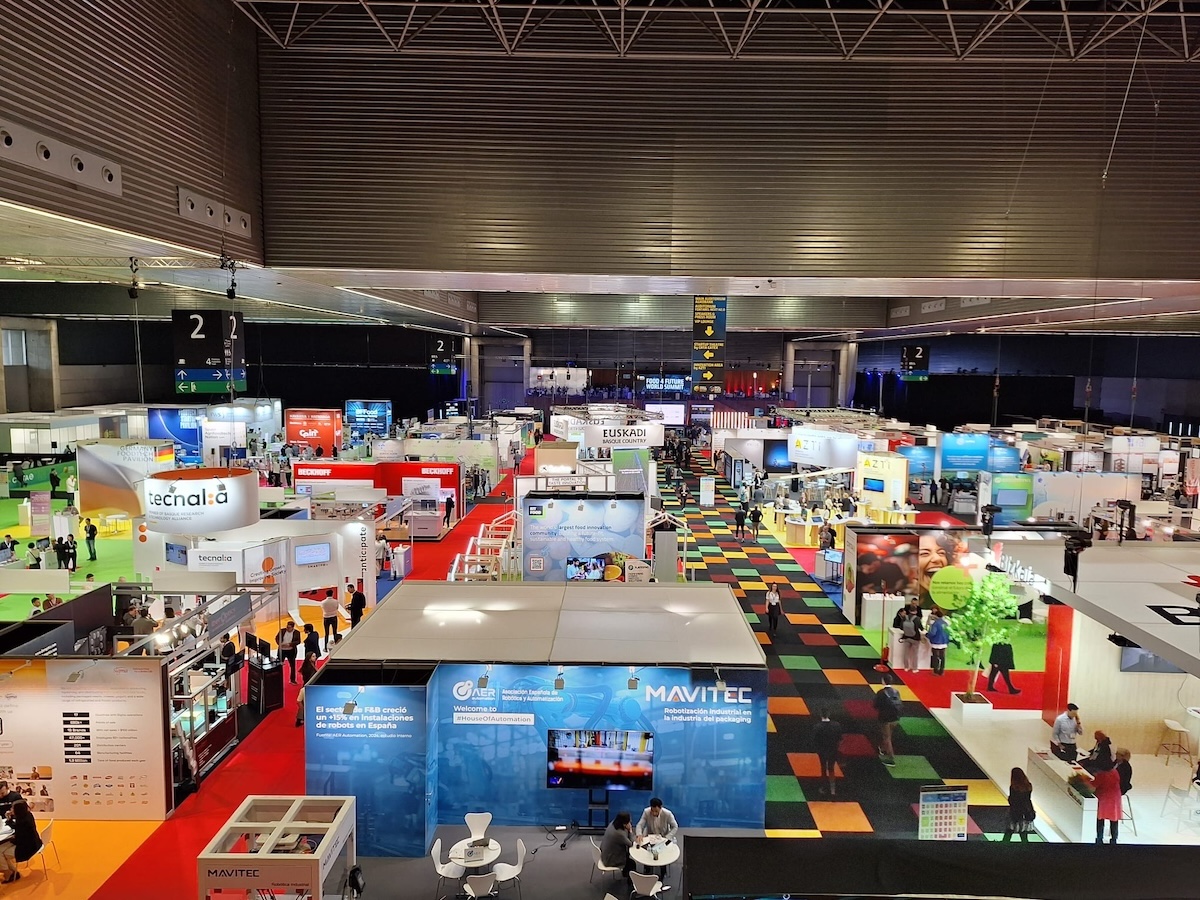
Event at Food 4 Future: Rural innovation driving circular solutions
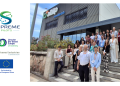
The pilot was officially presented at the Food 4 Future fair on 15 May, 2025 , with an agenda that included:
Visit to Paturpat’s pilot starch extraction plant, where the process and developed products were showcased.
Official presentation of the Spanish pilot at the Demo Stage, led by Ana Carrasco (Paturpat), Carolina Peñalva (AITIIP), and Laura Villacián Pascual (Tecnopacking), who explained the technical approach, initial results, and the vision for replicating the mode.Industry Workshop “Upcycling in Agri-Food: Game-Changer or Unrealistic Dream?”, moderated by María Díaz, Head of the EU Office at FOOD+i, which brought together industry representatives and experts to discuss the opportunities and challenges of by-product valorization in the agri-food industry FOOD+i, Catalyst for Bioeconomy in the Ebro Valley
For more information, contact:
Olga de Blas – Clúster FOOD+i – odeblas@clusterfoodmasi.es – 655 17 75 94, www.brilian.eu