







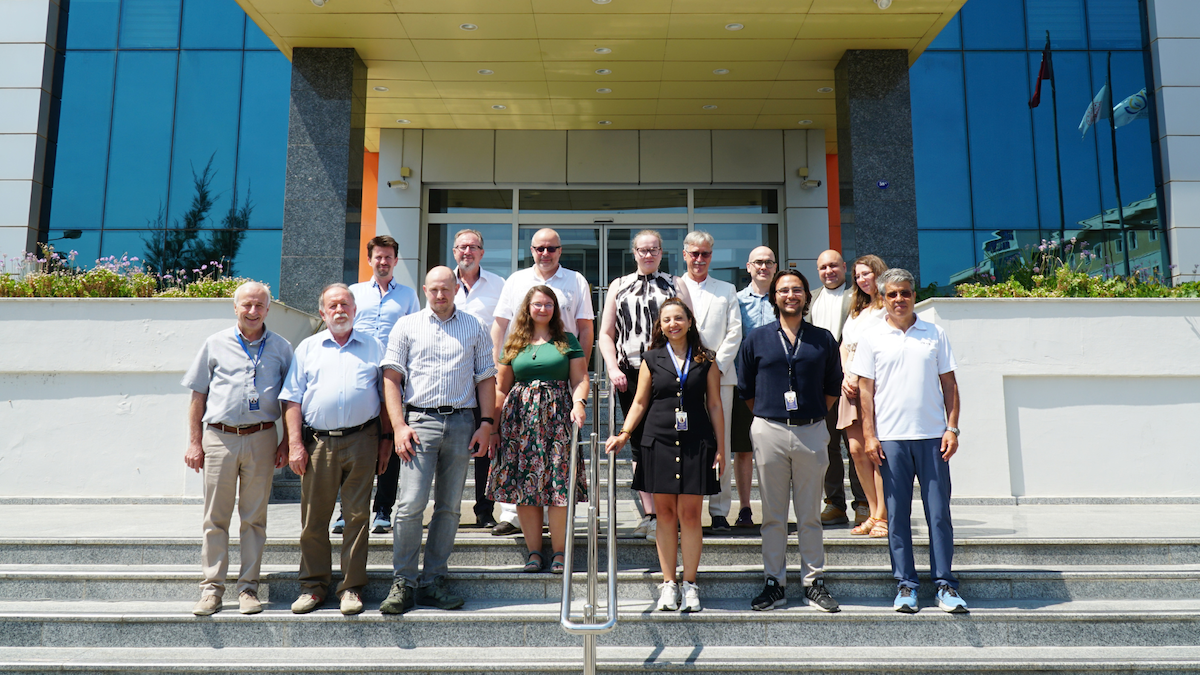
The EU-funded NeoVasculoStop project (neovasculostop.eu) is approaching completion after four years of research aimed at developing non-invasive treatment concept for retinal diseases such as neovascular age-related macular degeneration (AMD).
Supported by the European Innovation Council under Horizon Europe, NeoVasculoStop has explored an innovative therapeutic strategy combining orally administered small-molecule inhibitors with the natural light environment of the eye. The goal is to concentrate or enhance therapeutic activity in ocular tissues while potentially reducing the systemic exposure and treatment burden associated with current approaches.
EYE1118 selected as the lead compound
A major project achievement was the identification of EYE1118 as the lead compound from a larger portfolio of molecules developed according to the NeoVasculoStop concept. Preclinical studies demonstrated strong inhibitory activity of the selected compounds in cell models of angiogenesis, while further investigations assessed their activity in animal models relevant to retinal vascular leakage and neovascularisation.
The project has also advanced EYE1118 toward the next development stage by generating chemical, analytical, efficacy and preliminary safety information and by preparing the foundations for future clinical development. The remaining work required before a clinical trial application can be submitted has also been systematically identified.
Supporting future development
Beyond technology development, NeoVasculoStop has contributed to scientific dissemination, including an open-access review on emerging therapies for age-related macular degeneration and diabetic retinopathy, international conference participation and scientific outreach activities.
As the project concludes, the consortium leaves a strong foundation for continued development of EYE1118 and for further exploration of the broader concept of light-activated medicines for ocular diseases.
NeoVasculoStop has received funding from the European Innovation Council under Grant Agreement No. 101047120, with support from the European Union’s Horizon Europe research and innovation programme.