













The SQUEEZE project aims to reduce the personal, medical, and societal impact of rheumatoid arthritis (RA), a chronic joint disease affecting approximately 5 million citizens in the European Union. To reach this goal, the SQUEEZE consortium is optimising the selection of available prescription drugs based on individualized biomarkers and thereby improving the efficacy and safety of existing treatments.
Rheumatoid arthritis is a chronic autoimmune disease with a huge impact on a person’s quality-of-life. Although there is currently a wide range of approved drugs with different targets, not enough validated markers exist to identify the best choice for a particular patient. This often means that treatment strategies are ineffective, time-consuming, expensive and, above all, burdensome for the patients.
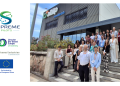
The SQUEEZE consortium is made of leading academic centres with world-class translational and clinical research expertise, patients, and small and medium-sized enterprises (SMEs) coming from all over Europe. Together, they conduct a collaborative effort to improve the benefits and safety of approved disease modifying antirheumatic drugs (DMARDs) by establishing and advancing the clinical application of biomarkers.
SQUEEZE researchers take advantage of models from data science, clinical trials as well as translational and behavioural science to improve the ability of our healthcare system to select a) the drug with the highest probability of success for each patient, and b) biomarkers helping to optimise the selected drugs for an individual patient.
Optimising the use and potential of existing drugs
“Our project is not about developing new treatments but about optimising the potential of existing drugs,” explains Prof. Daniel Aletaha, Head of Department of Rheumatology at Medical University Vienna and scientific coordinator of SQUEEZE. In order to do this, they are pursuing several objectives: “We want to identify biomarkers that will help in the process of selecting the best possible drug for a given patient.” In addition, markers should also help in optimising the benefit of each drug used in an individual case (for example by adjusting dosage or administration intervals, or by effective monitoring). Ideally, these markers should predict efficacy before, or at least shortly after, initiation of treatment. They would then allow clinicians to act quickly in the best interests of the patient.

The SQUEEZE Care Model
Another key goal of SQUEEZE is to ensure the applicability of the project’s results for the healthcare system. For this, partners from countries all over Europe are developing “models of care” that will allow the project results to be implemented in the context of routine clinical practice that include psychosocial and digital tools. “This is one essential element of the whole project, that will ultimately bring the results to the good of our patients”, explains Rheuma-epidemiologist Prof. Loreto Carmona, Scientific Director of INMUSC and Past Chair of EULAR (European Alliance of Associations for Rheumatology) Advocacy.
Patients at the heart of the project
Another standout feature of the SQUEEZE project is its emphasis on patient involvement. Patients are not just participants but active contributors to the research process. Their experiences, feedback, and insights shape the project’s direction and ensure that the outcomes are truly patient-centered.
Author of the press release: Prof. Daniel Aletaha, Medical University Vienna, Head of Department of Internal Medicine III, Rheumatology
Link to website: www.squeeze-project.eu
Link to LinkedIn channel: https://www.linkedin.com/company/squeeze-project
Link to BlueSky account: https://bsky.app/profile/squeezeproject.bsky.social
Contact information: Nicole Schmidt, Communication Manager, EUTEMA Research Services GmbH, schmidt@eutema-research.eu